
Which Men's Lacrosse Shaft Is Best for You?
The shaft is the part of the stick you hold. It decides how quickly you can move your hands, how hard you can shoot, and how many checks your stick can take. Three things decide the right shaft: your position, metal or carbon fiber, and the weight.

Quick Picks by Position
Every position comes in metal and in carbon fiber. These are our best shafts for each.
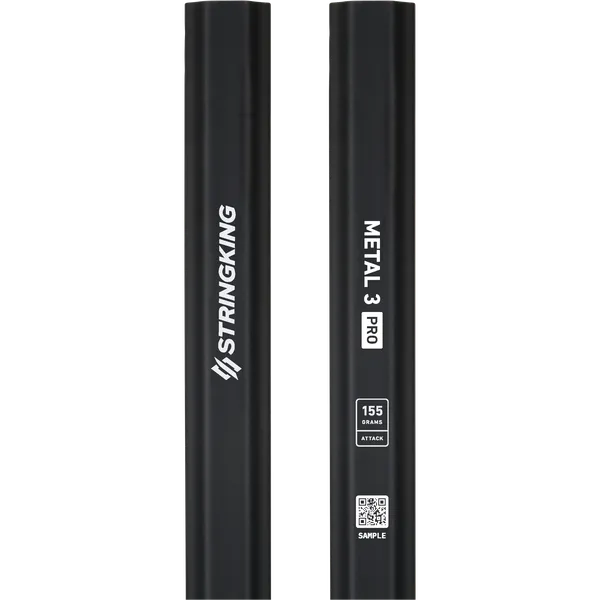
Attack · Midfield · Metal
Metal 3 Pro Attack
Light, stiff alloy in four weights, from 135 to 195 grams.
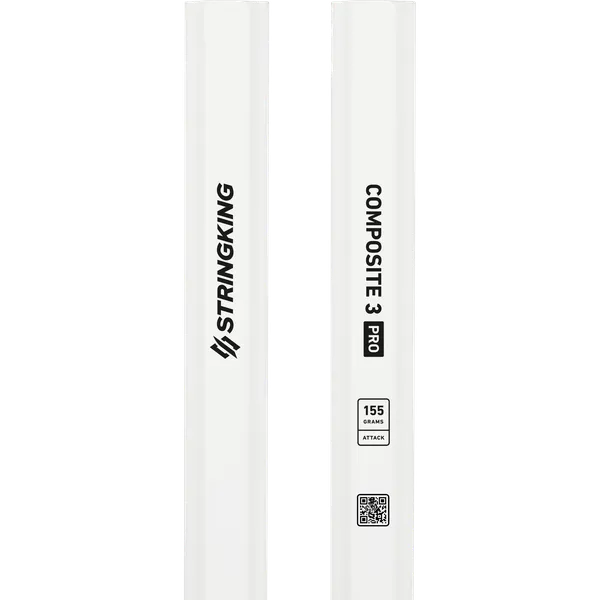
Attack · Midfield · Carbon
Composite 3 Pro Attack
Light carbon fiber with a textured finish for grip.
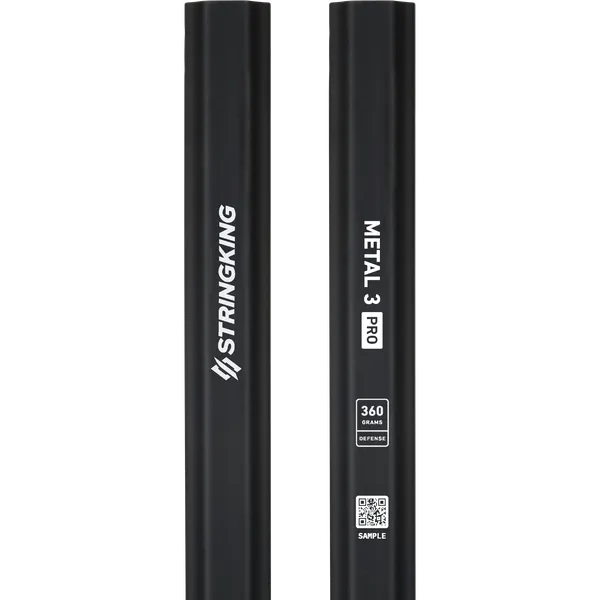
Defense · LSM · Metal
Metal 3 Pro Defense
Premium alloy long pole in 360 or 400 grams.
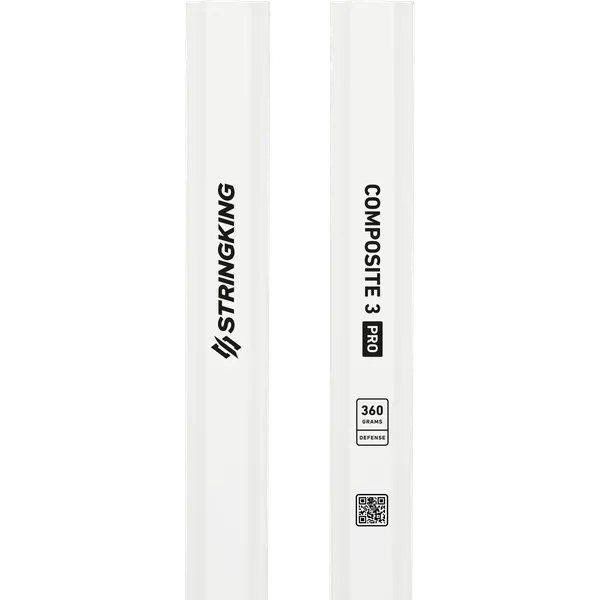
Defense · LSM · Carbon
Composite 3 Pro Defense
Carbon fiber long pole built for checks and clears.
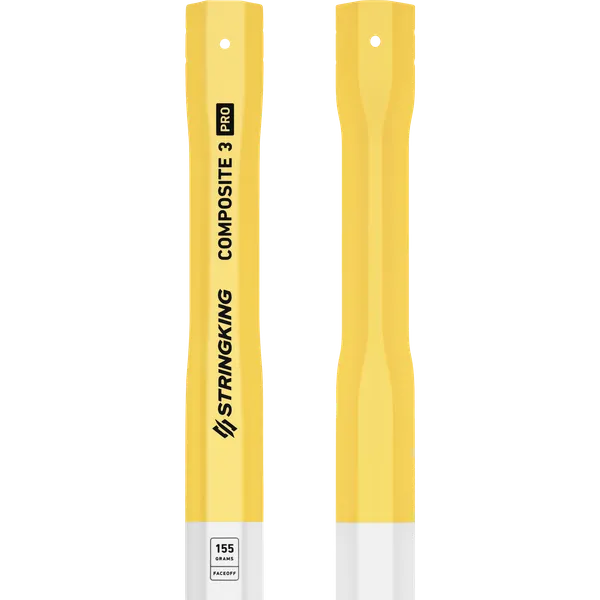
Faceoff
Composite 3 Pro Faceoff
Two textured grip zones, one for each hand.
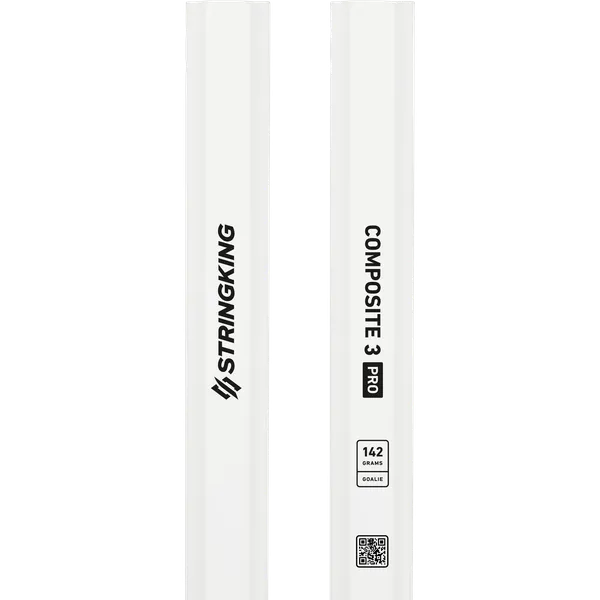
Goalie
Composite 3 Pro Goalie
Light carbon fiber goalie shaft, 142 or 162 grams.
Value and Youth Picks
Not every player needs a pro shaft. These cost less, and the youth shafts are thinner and shorter for smaller hands.
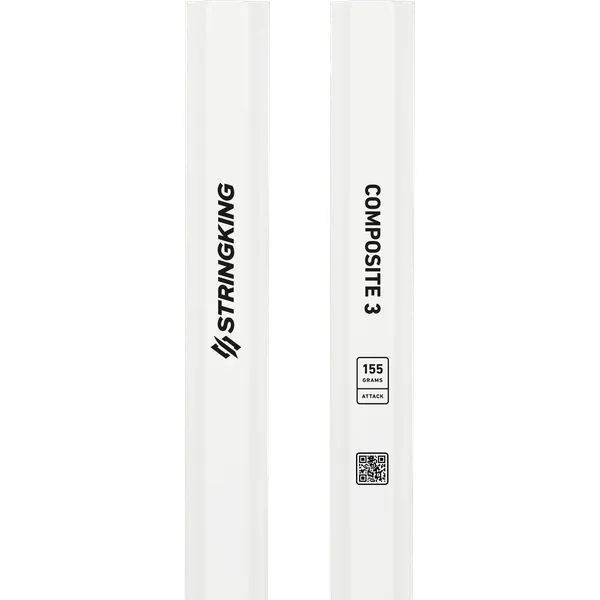
Carbon · Value
Composite 3 Attack
Carbon fiber at a lower price, in 155 or 175 grams.
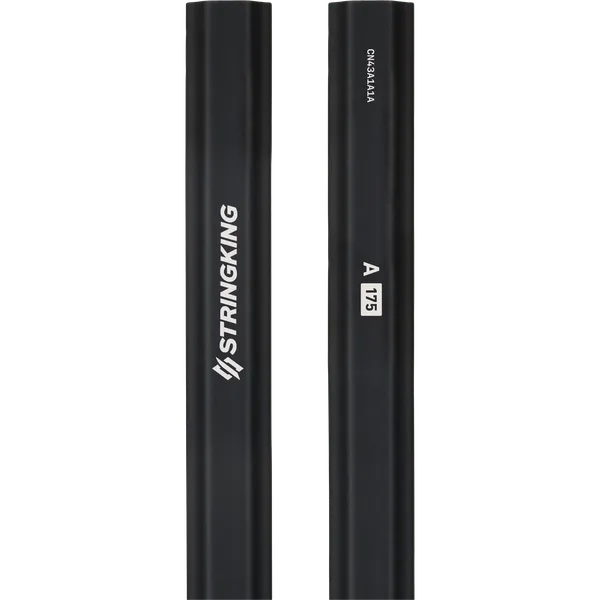
Metal · Value
A Series Attack
Aluminum alloy in 135, 155 or 175 grams.
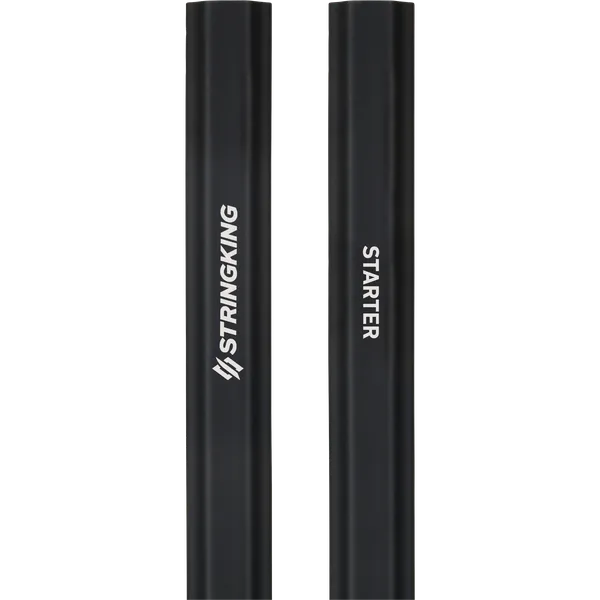
Ages 10–14
Starter Attack Shaft
A first shaft for new players, 155 grams.
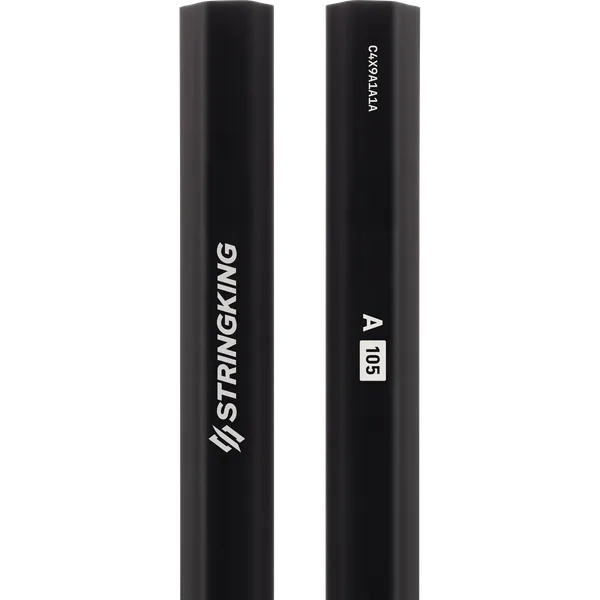
Ages 9 & under
A Series Junior Youth
7/8 inch thick and 105 grams, for small hands.
Metal or Carbon Fiber?
Metal
Metal 3 Pro and A Series shafts are aluminum alloy. Metal feels stiff and responsive, and it comes in the widest range of weights.
A hard check can dent a metal shaft.
Carbon fiber
Composite 3 Pro and Composite 3 shafts are carbon fiber, with a textured finish for grip. Carbon fiber doesn't dent.
A heavy blow can crack a carbon fiber shaft.
Neither one is better for everyone. Most players pick the one that feels right in their hands.
Pick Your Weight
Most StringKing shafts come in more than one weight. A lighter shaft is quicker to move and to shoot. A heavier shaft is stronger and takes more checks.
Here is how weight changes durability on the Composite 3 Pro Attack, rated on our own 1 to 10 scale.
| Weight | Durability |
|---|---|
| 135 grams | 8.5 |
| 155 grams | 9 |
| 175 grams | 9.5 |
| 195 grams | 10 |
Pick the lightest weight that will hold up to the way you play. Players who give and take a lot of checks should go heavier. The middle weight is the right place to start for most players.
Compare Every StringKing Shaft
Length is for the shaft alone. A head adds about 10 inches.
Metal 3 Pro
| Shaft | Position | Length | Weights |
|---|---|---|---|
| Metal 3 Pro Attack | Attack, midfield | 30 in | 135, 155, 175, 195 g |
| Metal 3 Pro Defense | Defense, LSM | 60 in | 360, 400 g |
| Metal 3 Pro Goalie | Goalie | 36 in | 142, 162 g |
Composite 3 Pro
| Shaft | Position | Length | Weights |
|---|---|---|---|
| Composite 3 Pro Attack | Attack, midfield | 30 in | 135, 155, 175, 195 g |
| Composite 3 Pro Defense | Defense, LSM | 60 in | 360, 400 g |
| Composite 3 Pro Faceoff | Faceoff | 30 in | 155, 175 g |
| Composite 3 Pro Goalie | Goalie | 36 in | 142, 162 g |
Composite 3
| Shaft | Position | Length | Weights |
|---|---|---|---|
| Composite 3 Attack | Attack, midfield | 30 in | 155, 175 g |
| Composite 3 Defense | Defense, LSM | 60 in | 380 g |
| Composite 3 Faceoff | Faceoff | 30 in | 155 g |
| Composite 3 Goalie | Goalie | 36 in | 162 g |
A Series
| Shaft | Position | Length | Weights |
|---|---|---|---|
| A Series Attack | Attack, midfield | 30 in | 135, 155, 175 g |
| A Series Defense | Defense, LSM | 60 in | 350, 380 g |
| A Series Goalie | Goalie | 36 in | 162 g |
| A Series Junior Youth | Ages 9 & under | 28 in | 105 g |
Starter
| Shaft | Position | Length | Weights |
|---|---|---|---|
| Starter Attack Shaft | Ages 10–14 | 30 in | 155 g |
| Starter Defense Shaft | Ages 10–14 | 52 in | 350 g |
| Starter Goalie Shaft | Ages 14 & under | 30 in | 155 g |
| Starter Junior Youth Shaft | Ages 9 & under | 28 in | 125 g |
Length, Thickness and Grip
Length
Attack and midfield shafts are 30 inches, which makes a stick of about 40 inches with the head on. Defense shafts are 60 inches. Goalie shafts are 36 inches.
Thickness
Men's shafts are 1 inch across. Our youth shafts are 7/8 inch, thinner for smaller hands. The Starter Junior Youth Shaft comes with an adapter that fits our men's heads.
Grip
Composite 3 Pro and Composite 3 shafts have a textured finish for grip. Metal 3 Pro and A Series shafts have a smooth finish. Faceoff shafts have two textured grip zones, one for each hand.
What the Pros Use
Metal 3 Pro and Composite 3 Pro are the shafts we supply to our 12 National Lacrosse League teams.
Tom Schreiber and Curtis Dickson both play a Composite 3 Pro. See their full setups on Team StringKing.
Is My Stick Legal?
High school and college rules set the length of the whole stick, head included.
Attack and midfield: 40 to 42 inches.
Defense and LSM: 52 to 72 inches.
Goalie: 40 to 72 inches.
Youth leagues at 10U and younger allow shorter sticks. Check your league's rules for the exact lengths.
Questions
What's the best lacrosse shaft for a beginner?
For ages 9 and under, the A Series Junior Youth or Starter Junior Youth Shaft. For ages 10 to 14, the Starter Attack Shaft or A Series Attack. For older players, the Composite 3 Attack or Metal 3 Pro Attack.
Is a carbon fiber shaft better than a metal one?
Not for everyone. Carbon fiber doesn't dent and has a textured grip. Metal comes in more weights and has a stiffer feel. Pick the one that feels better in your hands.
What weight should I get?
Start with the middle weight. Go lighter if you want quicker hands, or heavier if you give and take a lot of checks.
Should a short-stick defensive midfielder use an attack shaft?
Yes. Short-stick midfielders play a 30-inch attack shaft. LSMs play a 60-inch defense shaft.
Is there a warranty?
Yes. Every StringKing shaft comes with a 6-month warranty.
Find Your Shaft
Every shaft comes with a 6-month warranty.
Shop men's shafts · How to choose a head
Updated October 2026